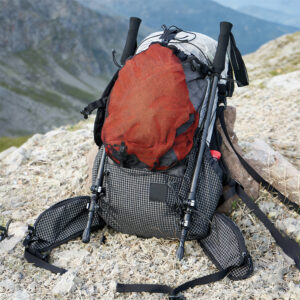
Dyneema Composite Backpack vs Regular Nylon Backpack – Full Comparison

Dyneema Composite Backpack vs Regular Nylon Backpack – Full Comparison

When it comes to ultra-light outdoor backpacks, two materials dominate the market: Dyneema composite fabric (DCF) and high-quality nylon (nylon ripstop / high-tenacity nylon).

For brand owners, importers, and outdoor enthusiasts, choosing the right material directly defines product positioning, user experience, and market competitiveness.
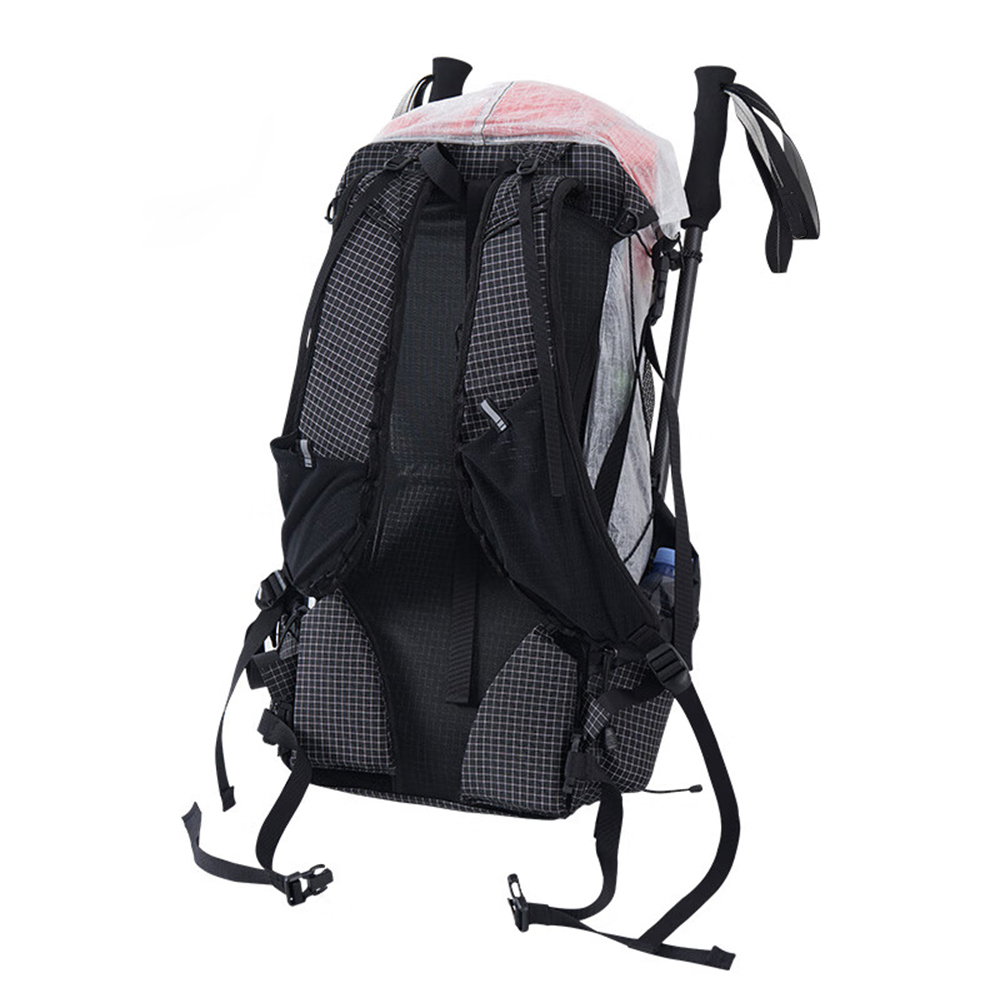
This complete comparison helps you quickly understand the core differences and select the best option for your market.

1. Weight & Lightweight Performance

Dyneema (Cuben Fiber) Backpack
  • Extremely light — much lighter than nylon of the same strength
  • Significantly reduces overall pack weight for long-distance trekking
  • The top choice for ultra-light hiking, fastpacking, and professional expeditions
Regular Nylon Backpack
  • Light enough for daily hiking and camping
  • Heavier than Dyneema under the same strength standard
  • Ideal for general outdoor use, casual camping, and entry-level users

2. Strength & Tear Resistance

Dyneema Backpack
  • 15 times stronger than steel by weight
  • High tear strength, not easy to rip even under sharp impact
  • Excellent dimensional stability, hardly stretches or deforms
Nylon Backpack
  • Good wear resistance and tear resistance for normal terrain
  • May tear under strong pulling or sharp friction
  • Reliable for most hiking, picnic, and daily outdoor scenarios

3. Waterproof & Moisture Performance

Dyneema Backpack
  • Naturally waterproof, no coating needed
  • Does not absorb water, so weight won’t increase in rain
  • Low water retention, dries quickly
Nylon Backpack
  • Requires PU or waterproof coating to achieve water resistance
  • Absorbs small amounts of moisture in wet conditions
  • Good waterproof performance after lamination, but heavier

4. Durability & UV Resistance

Dyneema Backpack
  • Excellent UV resistance, not easy to age
  • High corrosion resistance, long service life
  • Premium texture, maintains appearance for years
Nylon Backpack
  • Durable for regular use
  • UV exposure may cause aging and brittleness over time
  • Cost-effective for short- to medium-term use

5. Softness & Packability

Dyneema Backpack
  • Soft and foldable, can be compressed into a very small size
  • Extremely easy to store and carry as a backup pack
Nylon Backpack
  • Flexible but stiffer than Dyneema
  • Foldable, but takes more storage space
  • Maintains structure better when not fully loaded

6. Cost & Market Positioning

Dyneema Backpack
  • Higher material cost
  • Positioned in high-end, professional, and premium outdoor gear
  • Higher profit margin for brands
  • Target users: professional hikers, ultra-light enthusiasts, high-end buyers
Nylon Backpack
  • Lower cost, high cost-performance
  • Suitable for mid-range and entry-level markets
  • Larger user base, easier for bulk wholesale
  • Ideal for daily hiking, camping clubs, and general wholesale

7. Suitable Scenarios

Choose Dyneema Backpack If:
  • You want ultra-light, high-end professional products
  • Target long-distance hiking, fastpacking, alpine expeditions
  • Build premium brand image
  • Target customers who prioritize weight reduction
Choose Regular Nylon Backpack If:
  • You need cost-effective, durable daily packs
  • Target casual camping, family trips, picnic, hiking
  • Bulk wholesale for clubs, retailers, distributors
  • Balanced price and performance


Why Choose Our Factory Backpacks?

We produce both Dyneema composite backpacks and high-strength nylon backpacks, supporting OEM/ODM customization, logo printing, color customization, and structure design.

With stable quality, mature production technology, and factory-direct pricing, we are the reliable partner for global outdoor brands and importers.


Choose the right material to match your market — and let professional gear lead your business growth.