
For every outdoor hiker, camper and expedition team, sudden strong wind is one of the most common outdoor weather challenges. Unstable tent setup not only leads to shelter damage, torn fabric and loose stakes, but also brings great safety risks during camping trips. Many campers only focus on tent space and appearance, ignoring professional windproof skills and reliable supporting accessories.
Mastering correct tent-setup methods in windy conditions can greatly improve overall stability, protect your camping shelter, and keep your interior space safe all night long. Today we share professional, practical windproof camping knowledge combined with high-strength outdoor gear experience from our factory.
Choose Reliable Tent Structure & Support Poles First
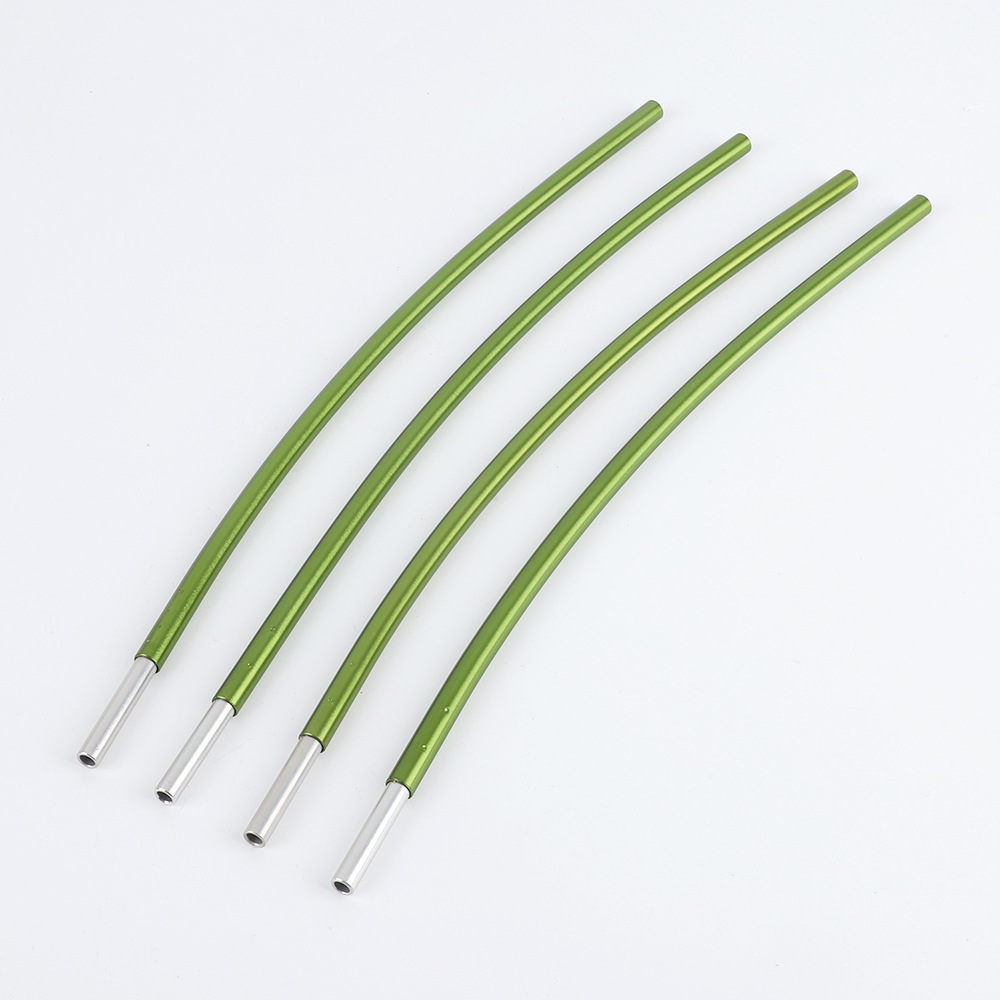
The backbone of a wind-resistant tent lies in its support poles. High-quality aluminum alloy tent poles own excellent toughness and bending resistance. Unlike fragile fiberglass poles that easily break under heavy wind pressure, aircraft-grade aluminum poles can deform moderately and bounce back without snapping, providing stable frame support continuously even under strong wind impact.
Before setting up, confirm all pole sections are fully inserted and tightly connected. A complete and firm frame structure is the first barrier against strong winds.
Correct Ground Stake Placement Makes A Huge Difference
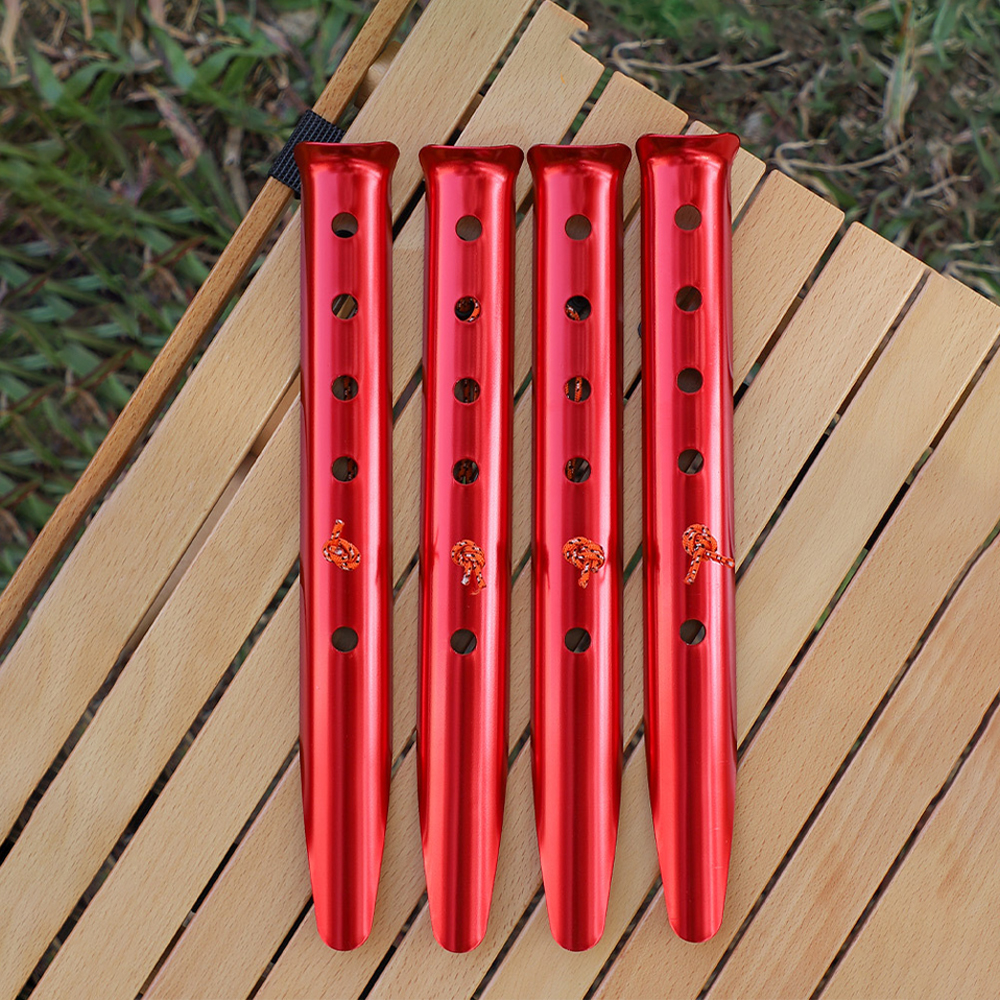
Most camping failures in wind come from improperly placed tent pegs. Different terrains require matching ground stakes to maximize anchoring force.
For hard soil and mountain ground, heavy-duty steel stakes and sharp aluminum pegs offer deep insertion and strong grip. For loose soil and grassland, multi-angle barbed stakes perform better. For coastal and open areas with extreme wind, long-size deep ground anchors are highly recommended.
Always drive stakes vertically into the ground at a 90° angle, and keep enough distance from the tent body. Arrange all stakes evenly around the tent to balance external wind force on every side. Uneven stress is the main reason for tent collapse.
Reasonable Guy Rope Tension & Direction Adjustment
Guy ropes are essential windproof accessories that cannot be ignored. After fixing the tent body and poles, fasten all guy lines tightly and adjust tension evenly.
Pull the ropes toward the upwind direction properly to release wind pressure efficiently. Do not over-tighten single rope which will cause partial deformation of tent frame. High-strength reflective guy ropes with adjustable buckles help stabilize the tent frame and resist strong gusts steadily.
Optimize Tent Orientation & Wind Resistance Details
Always set your tent with the back side facing the incoming wind, instead of the door. This design greatly reduces wind impact on the tent body. Keep tent doors and inner mesh windows properly closed to avoid wind pouring inside which will lift and shake the whole shelter.
Avoid setting tents on exposed hilltops, open empty land and canyon passages where wind speed is naturally higher. Choose leeward areas behind trees, rocks or small undulations for better natural wind shielding.
Post-Setup Inspection Is Necessary
After full assembly, check all connections again: tent pole joints, stake fastness, rope tightness and fabric fixation. During continuous windy weather, simple regular checks can prevent sudden loosening in advance.
Why Professional Outdoor Gear Matters
From durable aluminum tent poles, full-specification multi-style ground stakes, high-tensile guy ropes to stable all-season tents, we provide complete windproof outdoor shelter solutions. All our hardware accessories undergo strict strength tests, built to withstand harsh outdoor wind conditions for hiking teams, outdoor clubs, expedition groups and bulk global buyers.
No matter casual camping or long-distance mountain expeditions, professional setup skills plus reliable equipment keep your shelter steady, safe and worry-free in every windy wilderness journey.